

The Perfect Brew, Safely Stored: Demystifying Food Safety in Tinplate Tea Caddies
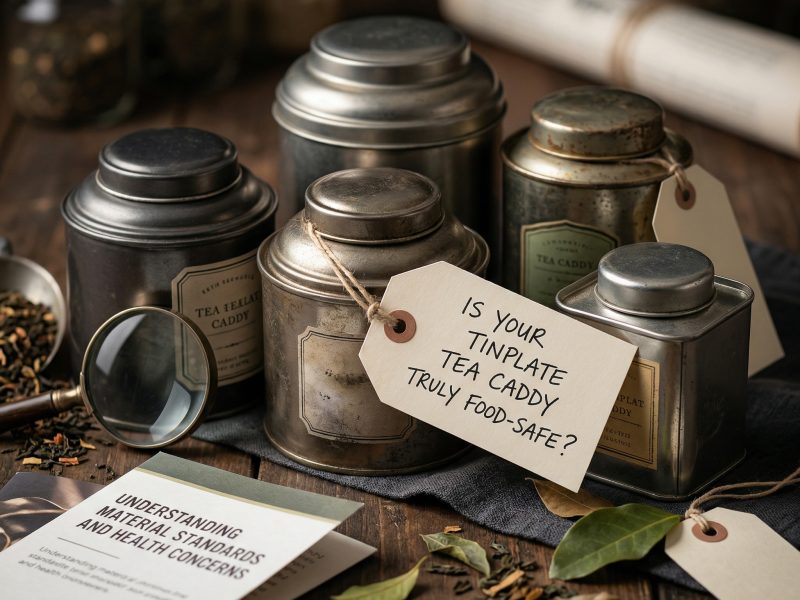
There’s nothing quite like a comforting cup of tea, and for many tea aficionados, a beautifully crafted tea caddy is an essential part of the ritual. Custom tins, especially those designed to hold delicate tea leaves, offer both aesthetic appeal and practical storage. But as you admire your elegant tinplate tea caddy, a crucial question often arises: is it truly food-safe? In an age where health and safety are paramount, understanding the materials and standards behind your food packaging is more important than ever. This article delves into the world of tinplate, exploring its composition, potential health concerns, and the vital measures taken to ensure your tea caddy is a safe haven for your beloved leaves.
What Exactly is Tinplate? A Closer Look at Your Tea Caddy’s Material
Tinplate, often simply referred to as tin, is a material widely used in food packaging, including those charming custom tins you might find your tea in. It’s essentially a thin steel sheet coated with an even thinner layer of tin. This combination offers several advantages:
- Durability: The steel core provides strength and rigidity, protecting the contents from external damage.
- Corrosion Resistance: The tin coating acts as a barrier, preventing the steel from rusting and reacting with its contents.
- Malleability: Tinplate can be easily formed into various shapes and sizes, making it ideal for intricate custom tin designs.
- Cost-Effectiveness: It’s an economical choice for packaging, allowing for attractive yet affordable products.
- Recyclability: Tinplate is 100% recyclable, aligning with modern sustainability goals.
Its widespread use, especially in the food industry for items like canned goods and biscuit tins, is a testament to its practical benefits. However, the presence of metal naturally leads to questions about direct food contact.
Defining “Food-Safe”: What Does It Mean for Your Tea Caddy?
When we talk about something being “food-safe,” we mean that the material will not transfer any harmful substances to the food it comes into contact with, even under typical conditions of use. For packaging materials like tinplate, this involves rigorous testing and adherence to specific regulatory standards set by bodies like the U.S. Food and Drug Administration (FDA) or the European Union (EU) for Food Contact Materials.
The key concern is preventing leaching – the migration of chemical components from the packaging material into the food. In the context of a tinplate tea caddy, this means ensuring that no tin, iron, or other metallic compounds can contaminate your tea leaves, altering their flavor or posing a health risk. This is where the engineering of food-grade packaging becomes critical.
Addressing Potential Health Concerns: The Role of Food-Grade Coatings
While tinplate itself is generally considered stable, direct, prolonged contact between bare metal and certain food products, especially acidic ones, could theoretically lead to minute amounts of metal leaching. For tea, which is typically dry and non-acidic when stored, the risk is inherently lower than, say, canned tomatoes. However, responsible manufacturers take no chances.
The primary method for ensuring the food safety of tinplate tea caddies is the application of an internal food-grade lacquer or coating. These coatings act as an inert barrier between the metal and the tea. They are specifically formulated to:
- Prevent Direct Contact: Completely separate the tea leaves from the tinplate surface.
- Inhibit Corrosion: Provide an additional layer of protection against rust and degradation of the tin coating.
- Be Non-Reactive: Ensure no chemical migration from the coating itself into the food.
- Maintain Flavor Integrity: Prevent any metallic taste from transferring to the tea.
These lacquers are typically made from epoxy resins or other approved polymer materials, and their application is a standard practice for all reputable manufacturers producing food-grade custom tins.
How to Ensure Your Tinplate Tea Caddy is Truly Food-Safe
As a consumer or a business looking for custom tea packaging solutions, how can you be sure your tinplate tea caddy meets the highest food safety standards?
- Choose Reputable Manufacturers: Always source your tin caddies from manufacturers with a proven track record in food-grade packaging. They will adhere to international safety standards and use high-quality materials.
- Look for Food-Grade Certifications: Inquire about specific certifications. A manufacturer should be able to provide documentation confirming their tinplate and internal coatings comply with FDA regulations (e.g., 21 CFR 175.300 for resinous and polymeric coatings) or EU food contact material directives (e.g., Regulation (EC) No 1935/2004).
- Verify Internal Coatings: Visually inspect the inside of the caddy. A clear or lightly colored, smooth, uniform coating should be present. This is your primary barrier.
- Ask About Material Sourcing: Responsible manufacturers will be transparent about their supply chain, ensuring their raw tinplate also meets quality specifications.
- Proper Care and Handling: Even with food-safe coatings, avoid harsh abrasives that could scratch the internal lining. Store dry tea leaves and avoid highly acidic contents unless the caddy is specifically designed for them.
For businesses investing in custom tins for their tea products, partnering with a manufacturer who understands and prioritizes these standards is non-negotiable. It protects your brand’s reputation and, more importantly, your customers’ health.
The Advantage of Food-Grade Custom Tins
Opting for custom tins that are explicitly designed as food-grade offers a significant advantage. It means the entire manufacturing process, from material selection to the application of internal coatings and final quality control, is geared towards ensuring safety. This level of dedication translates into:
- Consumer Confidence: Customers trust brands that prioritize their well-being.
- Brand Integrity: Upholding safety standards reinforces your brand’s commitment to quality.
- Regulatory Compliance: Avoiding legal issues and ensuring market access.
When you choose a custom tin supplier, make food safety a key part of your discussion and requirements.
Conclusion: Peace of Mind for Your Perfect Cup
The question of whether your tinplate tea caddy is truly food-safe boils down to the quality of its manufacturing and the presence of essential food-grade internal coatings. While tinplate is a durable and versatile material, its safe application in food storage hinges on adherence to strict material standards and regulatory compliance. By choosing reputable suppliers who prioritize food-grade lacquers and certifications, you can rest assured that your custom tin tea caddy is not just beautiful, but also a perfectly safe sanctuary for your favorite tea leaves, ensuring every brew is as pure and delightful as intended.