

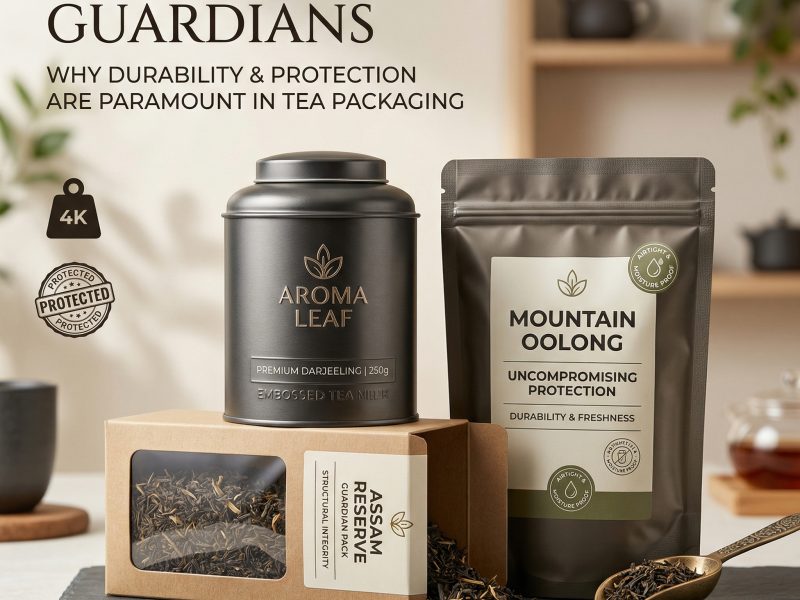
The Unseen Guardians: Why Durability and Protection are Paramount in Tea Packaging
The journey of tea, from the lush plantations where it’s harvested to the comforting cup in your hand, is a delicate one. Every step of this journey impacts its final flavor and aroma. Yet, one of the most critical, often overlooked, stages is its packaging. More than just an aesthetic wrapper, tea packaging serves as an essential guardian, protecting its precious contents from a triumvirate of threats: physical damage, light, and moisture. For businesses dealing with wholesale tea packaging, understanding and implementing superior protective measures is not just good practice; it’s fundamental to preserving quality and brand reputation.
The Battle Against Physical Damage: Keeping Tea Intact
Tea leaves, especially delicate varieties like green tea or white tea, are surprisingly fragile. During transit, storage, and handling, they are susceptible to various forms of physical damage. Crushing can break down the leaves, leading to a diminished aesthetic and a loss of subtle flavors. Tearing or abrasion can expose the tea to air and contaminants, accelerating degradation. Imagine a batch of premium loose-leaf tea arriving at its destination as a collection of dust and broken fragments – a disheartening sight for any tea enthusiast or retailer.
Robust packaging materials, such as sturdy cartons, tins, or multi-layered pouches, provide the necessary structural integrity to withstand the rigors of the supply chain. These materials act as a physical barrier, absorbing impacts and preventing compression. For wholesale tea packaging, this means choosing containers that can endure stacking, movement, and potential drops without compromising the tea inside. Ensuring that the tea arrives in pristine condition is the first step in guaranteeing a quality product.
Shielding from the Sun: The Perils of Light Exposure
While sunlight is vital for the tea plant’s growth, it becomes its enemy once the leaves are processed. Both ultraviolet (UV) and visible light can have a detrimental effect on tea’s chemical composition. Exposure to light can degrade sensitive compounds like chlorophyll, leading to a loss of vibrant color. More critically, it breaks down catechins and other antioxidants, which are responsible for many of tea’s health benefits and contribute significantly to its flavor profile.
The result of light exposure is often a stale, flat taste, and a significant reduction in the tea’s natural aroma. This is why opaque packaging is paramount. Materials like aluminum foil-lined pouches, dark-colored tins, or cardboard boxes are excellent at blocking light. Transparent or translucent packaging, while visually appealing on a shelf, can be a death sentence for tea’s freshness if not protected by an outer opaque layer. Effective wholesale tea packaging strategies prioritize light barriers to extend shelf life and maintain the tea’s intrinsic quality.
The Moisture Menace: Preserving Freshness and Flavor
Perhaps the most insidious threat to tea’s quality is moisture. Tea is hygroscopic, meaning it readily absorbs moisture from its surroundings. Even a slight increase in moisture content can trigger a cascade of negative effects. Firstly, it can lead to the growth of mold and mildew, rendering the tea unsafe for consumption. Secondly, moisture accelerates oxidation, causing the tea to become stale, losing its delicate essential oils and developing an unpleasant, sometimes ‘hay-like’ aroma.
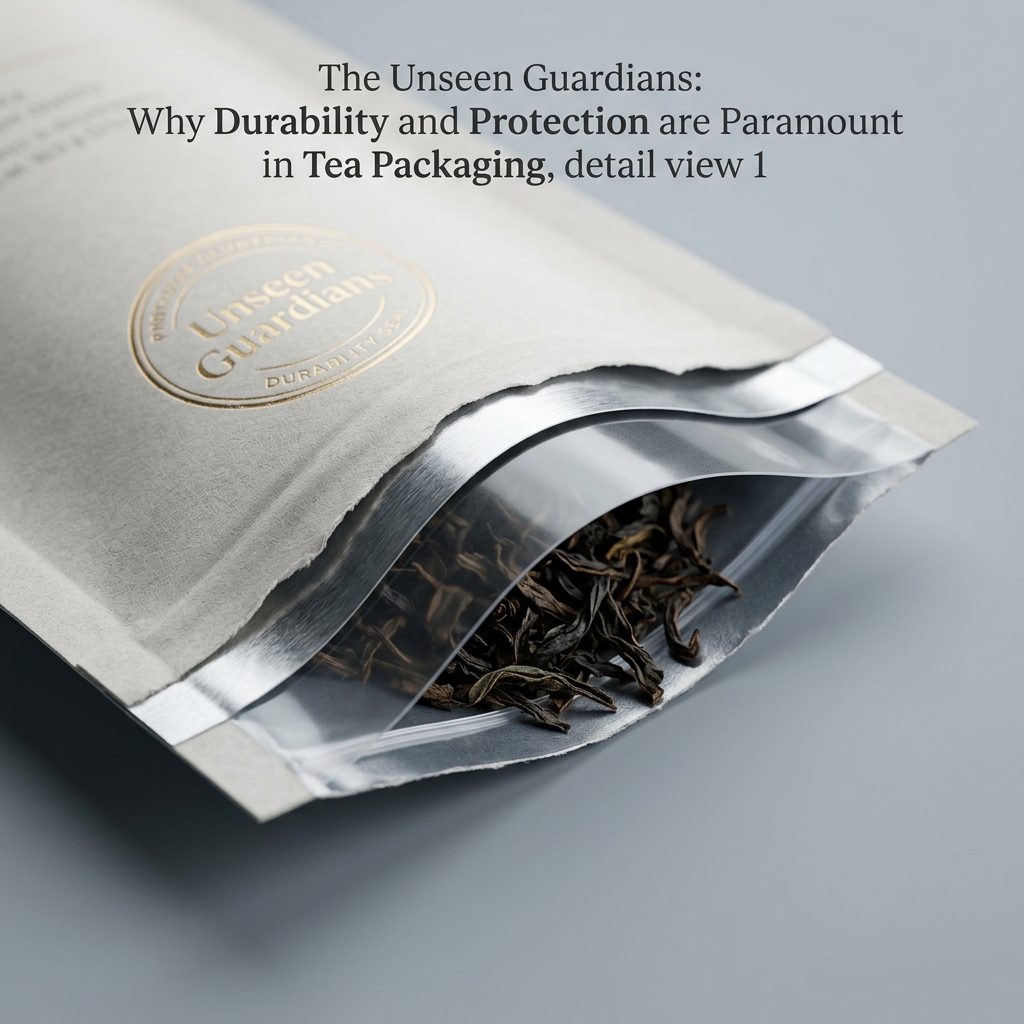
Furthermore, tea can absorb ambient odors when exposed to moisture, tainting its natural flavor. Maintaining a low moisture content is crucial for preserving tea’s freshness, aroma, and flavor integrity. High-barrier films, airtight seals, and re-sealable zippers are vital components of effective tea packaging. These features create a hermetic environment, preventing moisture ingress and egress. For any business involved in wholesale tea packaging, investing in superior moisture barriers is non-negotiable to deliver a consistently high-quality product to consumers.
The Trifecta of Protection: Integrated Packaging Solutions
Modern tea packaging often employs a combination of materials and technologies to offer comprehensive protection against all three threats. Multi-layered pouches, for instance, typically feature an outer layer for physical durability and print, a middle aluminum foil layer for light and oxygen barrier, and an inner food-grade plastic layer for sealing and moisture protection. Tins, while excellent for light and physical protection, often include an inner lid or a bag to provide an additional moisture barrier.
These integrated solutions are not just about preservation; they are about reputation. When a consumer opens a package of tea, they expect a fresh, aromatic, and flavorful experience. Any compromise in quality due to inadequate protection can lead to disappointment, damaging brand loyalty and trust. Therefore, selecting the right packaging materials and designs is a strategic decision that directly impacts the perceived value and quality of the tea.
Beyond Protection: The Role of Wholesale Tea Packaging in the Supply Chain
For businesses operating in the broader market, wholesale tea packaging needs to meet even more stringent requirements. It must not only protect individual units but also withstand the challenges of bulk transport, varying climatic conditions across regions, and potentially longer storage periods in warehouses. This often involves robust secondary packaging, such as master cartons, designed to prevent damage to the primary retail units.
Furthermore, efficient wholesale packaging considers logistical factors like stackability, weight, and ease of handling, all while maintaining the integrity of the product. The goal is to ensure that large quantities of tea can be transported and stored without any degradation in quality, minimizing waste and maximizing profitability for all parties in the supply chain.
Conclusion
In the intricate world of tea, packaging is far more than a mere container; it is the ultimate guardian of quality. The careful design and selection of packaging materials that offer robust protection against physical damage, light, and moisture are critical for preserving tea’s delicate flavors, aromas, and health benefits. For suppliers and distributors, especially those engaged in wholesale tea packaging, this commitment to superior protection is an investment in product integrity, brand excellence, and ultimately, consumer satisfaction. It ensures that every cup brewed delivers the exceptional experience tea lovers expect and deserve.