

Embracing Minimalism: How Packaging Design Communicates ‘Clean Beauty’ Values
In today’s beauty landscape, the ‘clean beauty’ movement is more than just a trend; it’s a philosophy. Consumers are increasingly scrutinizing ingredient lists, demanding transparency, and prioritizing products that are not only good for them but also kind to the planet. For clean beauty brands, communicating these core values visually is paramount, and there’s no better medium than minimalist packaging design. This approach, characterized by simplicity, clarity, and thoughtful material choices, perfectly aligns with the ethos of purity and sustainability that defines clean beauty.
The Rise of Clean Beauty and Its Visual Language
What exactly is ‘clean beauty’? While definitions can vary, it generally refers to products made without ingredients suspected of being harmful to human health or the environment. This includes avoiding parabens, sulfates, phthalates, synthetic fragrances, and many other contentious chemicals. Beyond the ingredients, clean beauty often encompasses ethical sourcing, cruelty-free practices, and a strong commitment to environmental stewardship. For a brand embodying these principles, its packaging cannot be an afterthought; it must be a direct extension of its mission.
Traditional beauty packaging often relies on ornate designs, vibrant colors, and excessive embellishments to convey luxury or efficacy. However, for clean beauty, this approach can feel incongruous, even misleading. Consumers looking for authentic clean beauty products often associate visual clutter with unnecessary additives or a lack of transparency. This is where minimalist packaging shines, serving as a powerful, non-verbal communicator of authenticity, purity, and trust.
Why Minimalism is the Perfect Partner for Clean Beauty Packaging
The synergy between minimalism and clean beauty is undeniable. Here’s why this design philosophy is ideally suited for brands in this growing sector:
- Transparency and Honesty: Minimalist designs strip away distractions, focusing on essential information. This lack of clutter communicates honesty and nothing-to-hide transparency, which are critical for consumers making informed choices about ingredients.
- Purity and Simplicity: The clean lines, ample white space, and understated elegance inherent in minimalist aesthetics echo the concept of ‘pure’ ingredients and ‘simple’ formulations. It suggests a product free from unnecessary fillers, both in its composition and its presentation.
- Sustainability and Eco-Consciousness: At its core, minimalism often implies using fewer materials, less ink, and more sustainable choices. This directly supports the eco-friendly values of many clean beauty brands, signaling a reduced environmental footprint.
- Sophistication and Modernity: Minimalist designs often project an aura of contemporary sophistication. This appeals to a discerning consumer base that values understated luxury and thoughtful design over ostentatious displays.
- Focus on the Product: By reducing external noise, minimalist packaging allows the product itself to take center stage. The quality of the formulation, its texture, or its natural color can be highlighted, reinforcing the idea that the true value lies within.
Key Elements of Effective Minimalist Packaging for Clean Beauty Brands
Translating the philosophy of minimalism into tangible packaging elements requires strategic choices. Here are the core components to consider:
1. Material Selection: Sustainability at its Core
The choice of materials is perhaps the most critical aspect for eco-friendly packaging. Clean beauty brands should prioritize:
- Recycled Content: Using post-consumer recycled (PCR) plastic, glass, or paper.
- Recyclability: Ensuring the packaging can be easily recycled by the consumer. Monomaterial designs (e.g., all glass, all plastic type 1) are often preferred for this reason.
- Biodegradable/Compostable Options: Exploring innovative materials like mushroom packaging, bamboo, or certain bioplastics where feasible and certified.
- Reduced Material Use: Opting for lighter-weight containers, eliminating secondary packaging (like cardboard boxes for jars), and avoiding unnecessary inserts.
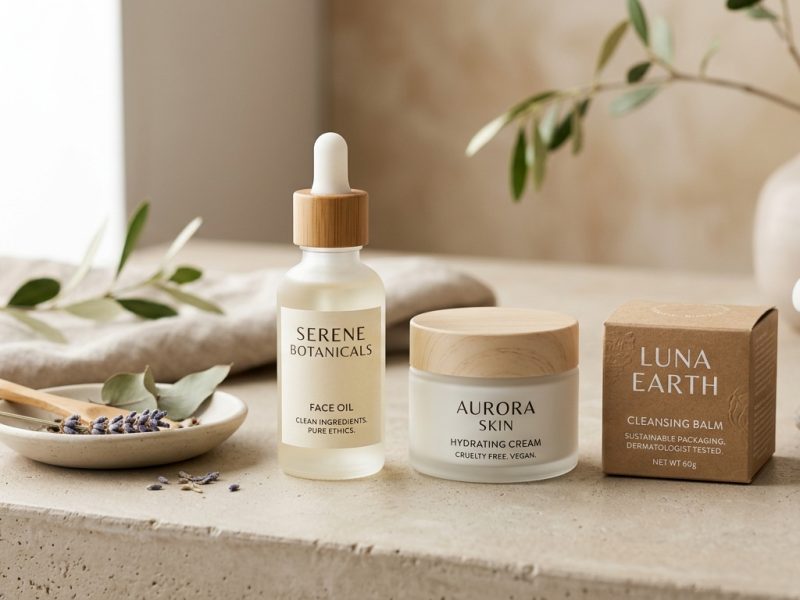
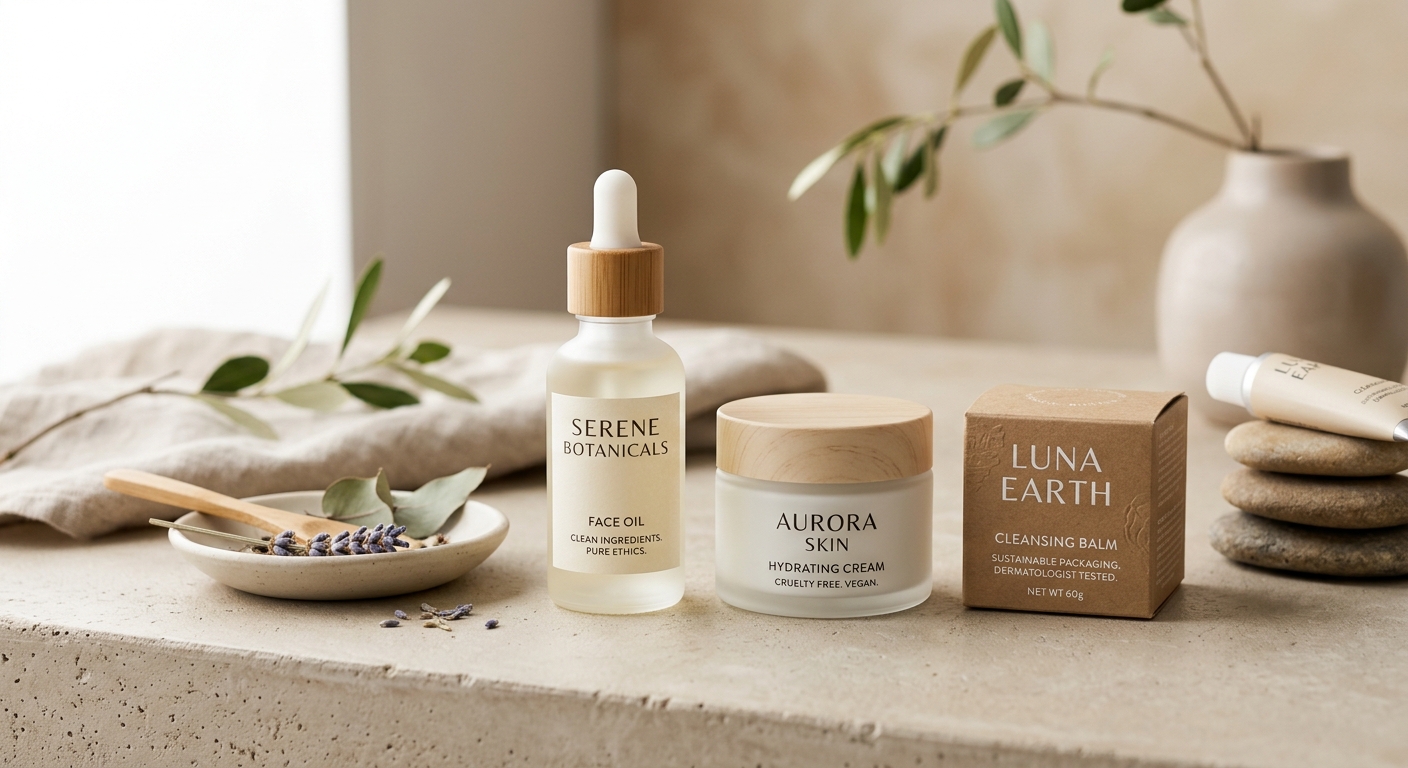
- Natural Textures: Uncoated paper, frosted glass, or matte finishes can convey an earthy, organic feel.
2. Color Palette: Serenity and Earthiness
Clean beauty packaging typically shies away from bright, artificial colors. Instead, it embraces:
- Neutrals: Whites, creams, grays, and natural beige tones evoke cleanliness and purity.
- Earthy Tones: Soft greens, muted blues, terracotta, and warm browns connect the product to nature and natural ingredients.
- Subtle Accents: A delicate metallic foil (gold, silver, rose gold) or a single pop of a natural color can add a touch of premium feel without overwhelming the design.
3. Typography: Clear, Concise, and Legible
With limited visual elements, typography becomes a powerful design tool. For minimalist cosmetic packaging, focus on:
- Clean Sans-Serif Fonts: These are often preferred for their modern, straightforward appearance.
- Optimal Readability: Ensure font sizes and contrasts are excellent, especially for ingredient lists and usage instructions.
- Minimal Text: Only essential information should be present: brand name, product name, key ingredients, net weight, and necessary certifications.
4. Visual Elements: Less is Truly More
In a minimalist design, graphics are either absent or extremely understated:
- No Graphics or Simple Icons: Many brands opt for text-only designs. If graphics are used, they are usually simple, abstract, or line-art illustrations that subtly hint at ingredients or natural elements.
- Emphasis on Texture: The tactile quality of the packaging (e.g., a frosted glass bottle, a soft-touch finish on a tube) can become a primary visual and sensory element.
- Strategic White Space: Generous use of empty space creates a sense of calm, luxury, and breathing room for the eyes, enhancing the perception of purity.
5. Functionality and Reusability
Beauty brand packaging in the minimalist realm also considers the user experience and lifecycle of the product:
- Refillable Systems: Offering refill pouches or containers significantly reduces waste and fosters customer loyalty.
- Multi-Use Packaging: Designing containers that can be repurposed by the consumer after the product is finished (e.g., glass jars for storage).
- Durable Design: Packaging should be robust enough to withstand use and potential refilling.
Communicating Your Brand Identity Through Simplicity
Ultimately, minimalist packaging design for clean beauty isn’t just about aesthetics; it’s about telling a compelling brand story. It’s about signaling to the conscious consumer that your brand is thoughtful, transparent, and committed to both their well-being and the planet’s health. By embracing simplicity, focusing on sustainable materials, and prioritizing clarity, clean beauty brands can create packaging that not only stands out on the shelf but also deeply resonates with their target audience, building trust and fostering loyalty in a crowded market.
As the demand for transparent and ethical products continues to grow, minimalist design will remain a cornerstone for brands looking to effectively communicate their clean beauty values. It’s a powerful testament to the idea that true beauty, like true purity, often lies in what is left out, not what is added in.