

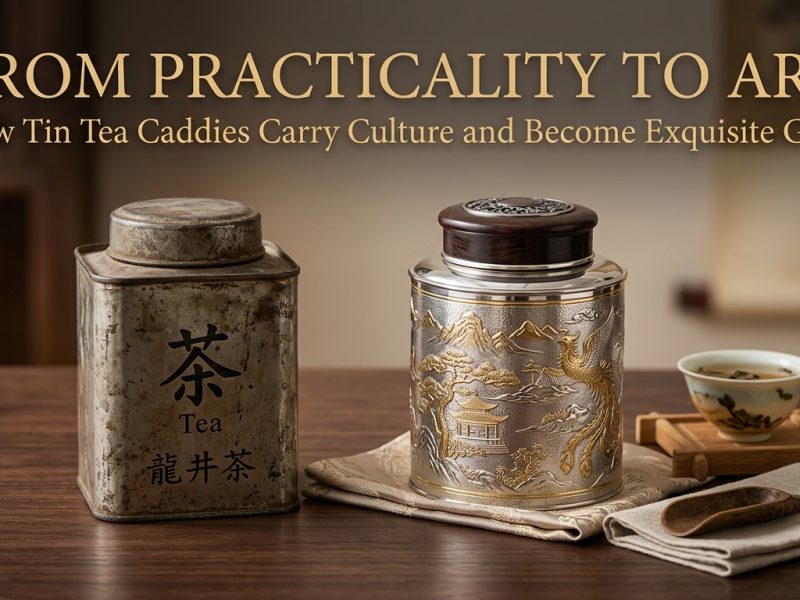
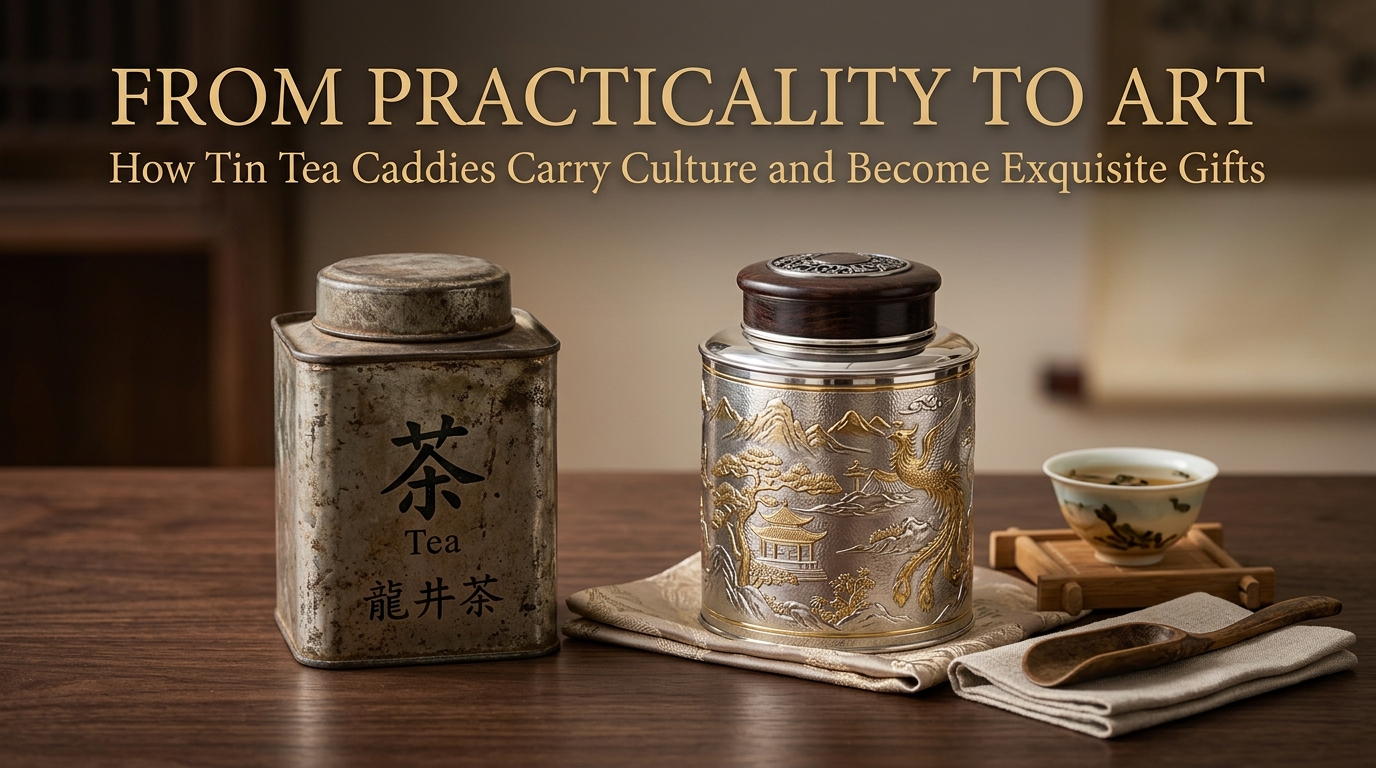
The Enduring Allure of the Tin Tea Caddy: A Journey Through Culture and Craft
In the vast and aromatic world of tea, where every leaf tells a story of origin, processing, and tradition, the vessel that holds it plays a role far beyond mere storage. Among the myriad options, the humble tin tea caddy stands out, having evolved from a purely functional container into a cherished artifact, a canvas for artistic expression, and a symbol of thoughtful gifting. This deep dive explores how tin tea caddies have transcended their practical origins to become profound carriers of tea culture, embodying history, craftsmanship, and a unique aesthetic appeal that makes them truly exquisite gifts.
For centuries, tea has been more than just a beverage; it’s a ritual, a social connector, and a cornerstone of diverse cultures across the globe. The way tea is stored and presented is integral to this experience. A well-designed tin tea caddy doesn’t just protect its precious contents; it enhances the ritual, invites contemplation, and preserves the essence of the tea within. Let’s embark on a journey to understand the remarkable transformation of these metallic marvels.
Part 1: The Practicality of Tin Tea Caddies – A Legacy of Preservation
Historical Roots and Material Superiority
The story of the tin tea caddy begins with necessity. Tea, particularly in its journey across continents, required robust protection from external elements. Early methods of packaging, such as wooden chests or ceramic jars, had their limitations. Wood could impart unwanted odors, and ceramics were fragile and heavy. The advent of tinplate, essentially steel coated with a thin layer of tin, revolutionized packaging.
Tinplate offered an unparalleled combination of advantages for tea preservation:
- Airtightness: When properly sealed, tin caddies create an excellent barrier against oxygen, which is one of the primary culprits in tea degradation. This prevents the delicate aromas and flavors from dissipating.
- Light-Proof: Light, especially UV radiation, can break down the chemical compounds in tea, leading to a loss of color, aroma, and beneficial antioxidants. Opaque tin provides complete protection from light exposure.
- Moisture Resistance: Tea is highly hygroscopic, meaning it readily absorbs moisture from the air. This can lead to staleness, mold, and a significant reduction in quality. Tin caddies form an impenetrable barrier against humidity.
- Durability: Unlike glass or ceramic, tin is resistant to breakage, making it ideal for transport and everyday handling. It also offers protection against physical damage to the tea leaves.
- Odor Neutrality: Tin itself is an inert material that does not impart any metallic taste or odor to the tea, ensuring the pure essence of the leaves is maintained.
These practical attributes quickly established tin tea caddies as the gold standard for tea packaging, particularly during the 17th and 18th centuries when tea consumption surged in Europe and global trade routes flourished. The East India Company, for instance, relied heavily on robust packaging to transport tea from Asia to the West, and tin caddies played a crucial role in maintaining the quality of these valuable commodities over long voyages.
Part 2: Tin Tea Caddies as Cultural Bearers – A Tapestry of Traditions
Eastern Elegance: Symbolism and Storytelling
Beyond their practical utility, tin tea caddies rapidly became canvases for cultural expression, particularly in East Asia, where tea culture is deeply intertwined with philosophy, art, and daily life. In China and Japan, where tea ceremonies are ancient and revered, the caddy often reflects the profound respect for tea itself.
- Chinese Tea Culture: Traditional Chinese tin tea caddies often feature intricate designs depicting auspicious symbols such as dragons (power, good fortune), phoenixes (grace, rebirth), plum blossoms (resilience), bamboo (integrity), and landscapes (harmony with nature). Calligraphy, often conveying poetic verses or the tea’s origin, adds another layer of cultural depth. These designs are not merely decorative; they tell stories, convey blessings, and connect the user to centuries of artistic and spiritual tradition. The craftsmanship often involves detailed embossing, lacquering, and hand-painting, turning each caddy into a miniature work of art.
- Japanese Tea Ceremony (Chanoyu): While ceramic and lacquerware are prominent, tin caddies also hold a place, especially for specific tea types or as collectible items. Japanese designs often emphasize minimalism, natural elements, and seasonal motifs. Cherry blossoms in spring, autumn leaves, or serene bamboo forests are common. The aesthetic often aligns with Wabi-Sabi principles, appreciating simplicity, imperfection, and the transient nature of beauty.
Western Sophistication: Victorian Charm and Modern Interpretations
In Europe, particularly during the Victorian era, tea became a symbol of status and refinement. Tin tea caddies mirrored this societal shift, evolving into ornate objects that adorned parlors and drawing-rooms. Elaborate patterns, often influenced by Rococo, Baroque, or Neo-classical styles, became popular. Floral motifs, pastoral scenes, and even portraits of royalty or historical figures were common. These caddies were not just for storage; they were decorative pieces, proudly displayed as part of the afternoon tea ritual.
Today, tin tea caddies continue to bridge cultural divides, with modern designers drawing inspiration from both Eastern and Western aesthetics. We see minimalist designs that appeal to contemporary tastes, alongside fusion designs that blend traditional motifs with modern graphic elements, reflecting a globalized tea culture.
Part 3: The Transformation into Art – Craftsmanship and Aesthetics
Design Evolution and Manufacturing Mastery
The journey of the tin tea caddy from a simple utility item to an artistic masterpiece is a testament to advancements in design and manufacturing. Early caddies were often plain, focusing solely on function. However, as printing and metalworking technologies advanced, the possibilities for decoration expanded exponentially.
- Printing Techniques: Offset lithography, a highly versatile printing method, allowed for the reproduction of complex, multi-color designs directly onto the tinplate. This meant intricate artwork, vibrant colors, and photographic quality images could be applied, transforming the caddy into a visual delight. Digital printing further expanded customization options, enabling smaller batches and highly personalized designs.
- Embossing and Debossing: These techniques add tactile dimension to the caddy, creating raised or recessed patterns that can highlight specific design elements, logos, or textual information. This not only enhances the visual appeal but also provides a premium feel.
- Finishes and Coatings: Beyond printing, various finishes like matte, gloss, metallic, and textured coatings can drastically alter the caddy’s appearance and feel. These finishes add to the perceived luxury and protect the underlying artwork from wear and tear.
- Shape Innovation: While traditional caddies are often rectangular or cylindrical, modern designs explore a myriad of shapes – oval, square, hexagonal, or even custom-molded forms – further enhancing their artistic and collectible appeal.
Artisanal touches, such as hand-painted details, specialized lacquering, or the integration of other materials like wood or ceramic for lids, elevate certain tin tea caddies to the realm of fine art. These bespoke creations often command higher prices and are sought after by collectors.
Part 4: The Ultimate Gift – Why Tin Tea Caddies Excel as Presents
In an age of mass-produced goods, a gift that combines practicality, beauty, and cultural significance holds special value. This is where the tin tea caddy truly shines as an exquisite gift option.
Perceived Value and Lasting Impression
- Premium Feel: A well-crafted tin caddy inherently feels more substantial and luxurious than a paper box or plastic pouch. This contributes to a higher perceived value, making the gift feel more significant.
- Durability and Reusability: Unlike disposable packaging, a tin caddy is built to last. It can be refilled with tea, repurposed for storing other items (spices, trinkets, stationery), or simply displayed as a decorative piece. This longevity means the gift continues to give, serving as a lasting reminder of the giver’s thoughtfulness.
- Enhanced Unboxing Experience: The act of opening a beautifully designed tin caddy adds to the excitement and sensory pleasure of receiving a gift. The satisfying weight, the visual appeal, and the anticipation of the tea inside create a memorable experience.
Personalization and Storytelling
Tin tea caddies offer immense potential for personalization and storytelling:
- Bespoke Designs: For corporate gifting, weddings, or special anniversaries, custom-designed tin caddies can feature company logos, event dates, names, or unique artwork. This level of customization makes the gift incredibly personal and unique.
- Cultural Narratives: By choosing a caddy with specific cultural motifs or historical designs, the giver can convey a deeper message or introduce the recipient to a particular tea tradition. For example, a Japanese-inspired caddy paired with Matcha, or a Chinese landscape caddy with Oolong, creates a harmonious and meaningful gift.
- Sustainability Statement: Gifting a reusable tin caddy subtly communicates a commitment to sustainability and conscious consumption, appealing to environmentally aware recipients.
Versatility for All Occasions
Whether it’s a birthday, holiday, housewarming, corporate event, or a simple gesture of appreciation, a beautifully packaged tin tea caddy filled with high-quality tea is a universally appreciated gift. It caters to tea lovers, design enthusiasts, and anyone who appreciates fine craftsmanship and thoughtful presentation.
Part 5: Choosing the Perfect Tin Tea Caddy – A Buyer’s Guide
When selecting a tin tea caddy, whether for personal use or as a gift, consider the following:
- Tea Type: Some teas are more sensitive than others. Ensure the caddy provides adequate protection for the specific tea it will hold. For example, delicate green teas benefit greatly from airtight, light-proof storage.
- Design Aesthetics: Consider the recipient’s taste or your own home decor. Do they prefer minimalist, traditional, modern, or whimsical designs? The visual appeal is a significant part of the caddy’s charm.
- Quality of Materials and Construction: Look for sturdy tinplate, well-fitting lids (preferably with an inner seal for extra airtightness), and high-quality printing or finishing. A good caddy should feel solid and well-made.
- Brand Reputation: Reputable tea brands often invest in superior packaging, ensuring both aesthetic appeal and functional integrity.
- Environmental Considerations: Opt for caddies made from recycled tin or those from companies committed to sustainable manufacturing practices.
Conclusion: The Enduring Legacy of the Tin Tea Caddy
From its humble beginnings as a practical solution for tea preservation, the tin tea caddy has undergone a remarkable transformation. It has evolved into a sophisticated vessel that not only safeguards the delicate flavors and aromas of tea but also serves as a vibrant canvas for cultural expression and artistic ingenuity. Each beautifully designed tin tea caddy carries a piece of history, a touch of craftsmanship, and a story waiting to be discovered.
As we increasingly value sustainability, authenticity, and meaningful experiences, the tin tea caddy’s role as an exquisite gift and a cultural artifact only grows stronger. It stands as a testament to how an everyday object, when infused with thought, design, and respect for tradition, can transcend its utility to become a cherished piece of art, a keeper of culture, and a truly memorable present. The next time you encounter a tin tea caddy, take a moment to appreciate the rich tapestry of practicality, art, and culture it so elegantly encapsulates.