

Investing in Quality: Decoding the True Cost-Benefit of Premium Tin Tea Packaging for Brands
In the bustling marketplace of teas, where discerning consumers seek not just a beverage but an experience, packaging plays a pivotal role. For many brands, the choice between standard and premium tin tea packaging often boils down to a perceived cost barrier. However, a deeper dive reveals that this initial investment can unlock significant, long-term benefits, transforming a simple container into a powerful brand asset. This article will meticulously decode the true cost-benefit of opting for premium tin tea packaging, offering insights for brands aiming to elevate their market presence and consumer loyalty.
The Initial Investment: Understanding the “Cost”
Undeniably, premium tin packaging comes with a higher upfront cost compared to conventional alternatives like flexible pouches or cardboard boxes. This elevated price point stems from several factors:
- Material Quality: Tinplate, a durable and robust material, naturally costs more than lighter, less protective options.
- Manufacturing Complexity: The process of forming, printing, and finishing tin containers often involves specialized machinery and skilled labor.
- Design and Customization: Achieving unique shapes, intricate embossing, debossing, or high-definition printing on tin requires advanced design capabilities and precise execution, adding to the cost.
- Minimum Order Quantities (MOQs): Manufacturers often have higher MOQs for custom tin packaging, which can be a significant consideration for smaller brands.
While these costs are tangible, viewing them in isolation misses the broader strategic picture. The true value emerges when we weigh these expenses against the multifaceted advantages premium tin packaging brings to a brand.
The Multifaceted Advantages: Unpacking the “Benefit”
1. Elevated Brand Perception and Value
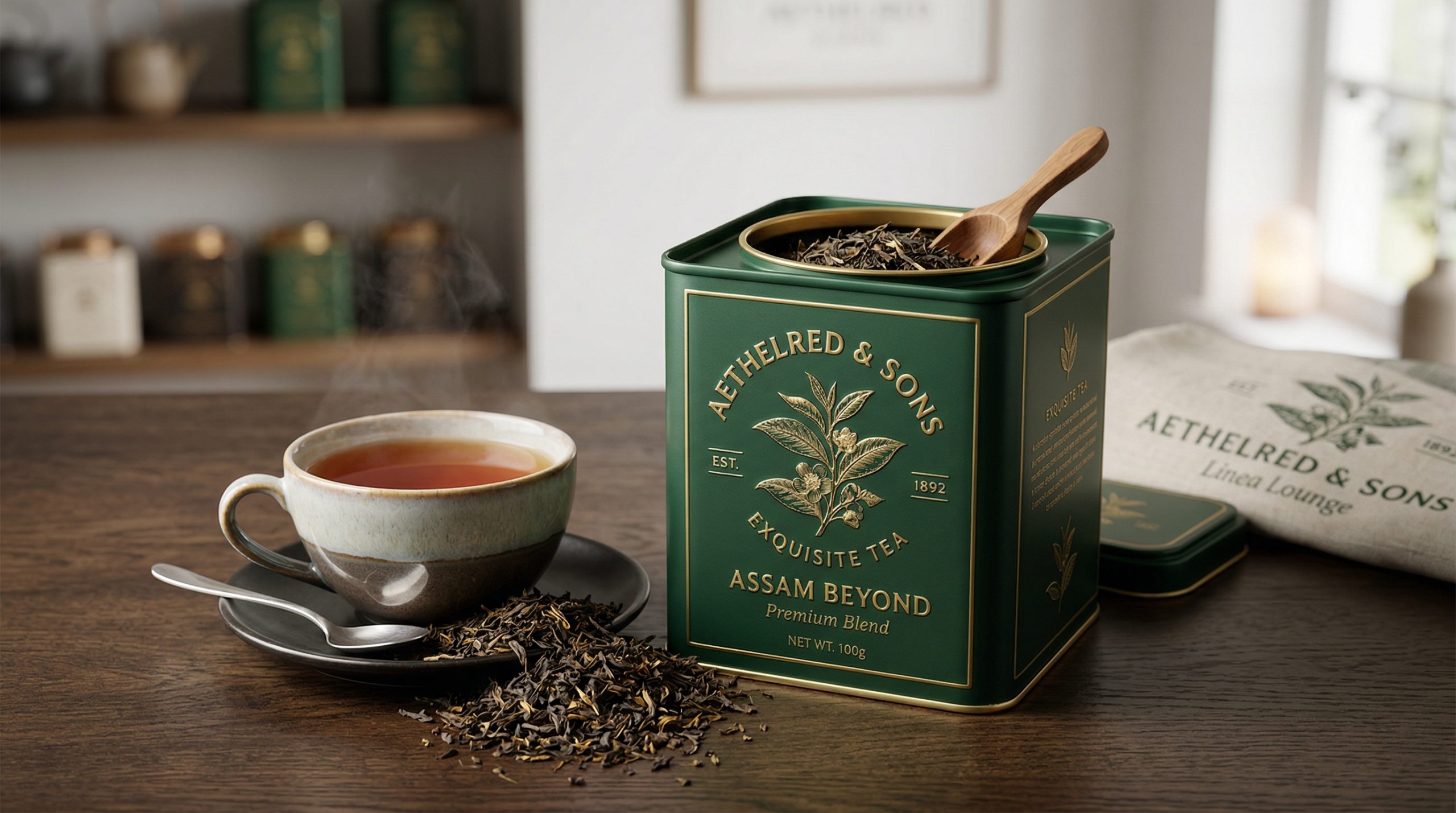
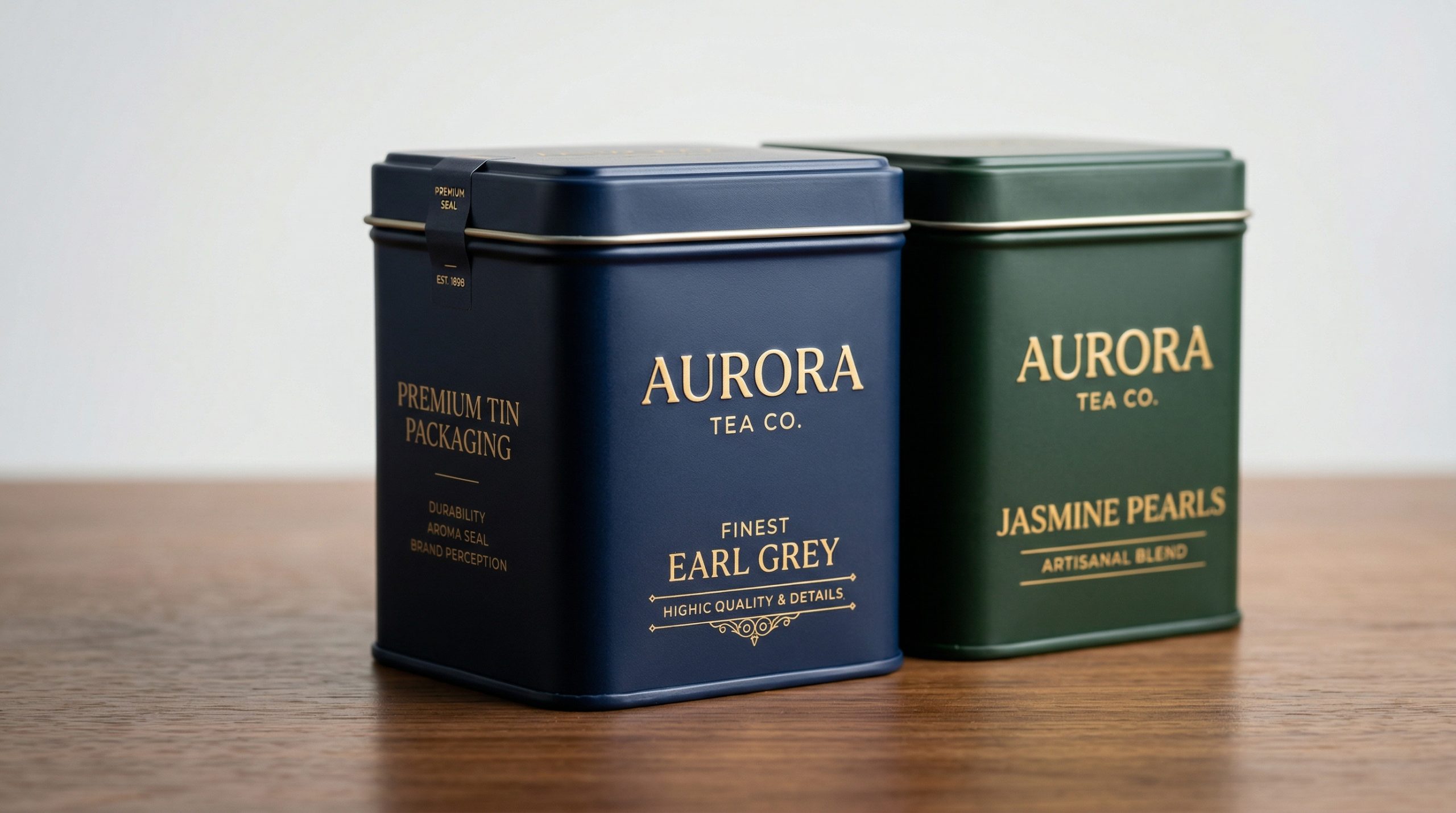
Premium tin tea packaging is an immediate signal of quality and luxury. Its substantial feel, elegant appearance, and often intricate designs convey a sense of craftsmanship and exclusivity. For brands, this translates into:
- Stronger Brand Image: It positions the tea as a premium product, justifying a higher price point and attracting a more affluent or quality-conscious demographic.
- Perceived Value: Consumers associate robust, aesthetically pleasing packaging with a superior product inside, enhancing their perception of the tea’s intrinsic value.
- Differentiation: In a crowded market, distinctive tin packaging helps a brand stand out from competitors, making it more memorable and recognizable.
2. Superior Product Preservation and Extended Shelf Life
Beyond aesthetics, the functional benefits of tin are paramount, especially for a delicate product like tea. Tin offers exceptional protection against:
- Light: Prevents UV degradation that can diminish tea’s flavor and aroma compounds.
- Moisture: Creates an airtight barrier, protecting tea leaves from humidity which can lead to staleness or mold.
- Oxygen: Minimizes oxidation, preserving the freshness, aroma, and essential oils of the tea for longer periods.
- Physical Damage: Its rigidity protects tea leaves from crushing or breakage during transit and handling.
This superior preservation ensures that the tea reaches the consumer in its optimal state, enhancing satisfaction and reducing product waste—a significant, often overlooked, cost-saving benefit.
3. Enhanced Consumer Experience and Engagement
The interaction with premium tin packaging extends beyond the initial purchase. It transforms the act of preparing and enjoying tea into a more ritualistic and enjoyable experience:
- Tactile Appeal: The weight and texture of tin offer a satisfying sensory experience.
- Aesthetic Pleasure: Beautifully designed tins can become decorative items in a kitchen or pantry, adding to the home’s ambiance.
- Reusability and Collectibility: Many consumers reuse tin containers for storage, crafts, or as keepsakes. This not only adds value for the consumer but also extends the brand’s presence in their home long after the tea is consumed, fostering deeper loyalty and acting as a constant, subtle advertisement.
4. Powerful Marketing and Storytelling Tool
A well-designed tin is a silent salesperson. Its ample surface area provides a canvas for brand storytelling, origin information, brewing instructions, and captivating artwork. This makes it an incredibly effective marketing tool:
- Shelf Impact: Visually striking tins grab attention on retail shelves, driving impulse purchases.
- Brand Narrative: The design can communicate the brand’s heritage, values, or the unique story behind the tea, forging an emotional connection with consumers.
- Gift Appeal: Premium tin packaging elevates tea into a desirable gift item, expanding market opportunities, especially during holidays and special occasions.
5. Sustainability and Long-term Value (with nuance)
While the manufacturing of tin has an environmental footprint, its inherent durability and high recyclability offer a sustainable advantage. Unlike single-use plastics or flimsy materials, tin is almost infinitely recyclable without loss of quality. More importantly, its reusability by consumers significantly reduces waste, aligning with growing eco-conscious consumer preferences and contributing to a circular economy model. Brands can highlight these aspects to appeal to environmentally aware segments.
Decoding the True Cost-Benefit: A Strategic Perspective
When evaluating the “true” cost-benefit, it becomes clear that the initial outlay for premium tin tea packaging is not merely an expense but a strategic investment. The return on investment (ROI) manifests in various forms:
- Higher Sales and Market Share: Enhanced brand appeal and differentiation can lead to increased sales volume and capture a larger segment of the premium tea market.
- Premium Pricing Power: The perceived value allows brands to command higher prices, directly contributing to better profit margins.
- Reduced Returns and Complaints: Superior product preservation minimizes instances of spoiled tea, leading to fewer customer complaints and returns.
- Increased Customer Loyalty and Lifetime Value: An exceptional brand and product experience fosters repeat purchases and long-term customer relationships.
- Enhanced Brand Equity: Consistent use of premium packaging builds strong brand equity, a valuable intangible asset.
For brands like Mariage Frères, Harney & Sons, or Fortnum & Mason, their iconic tin packaging is as much a part of their brand identity as the tea itself. It’s a testament to how premium packaging can become an indispensable element of a successful luxury tea brand’s strategy.
Conclusion: An Investment in Excellence
In conclusion, while the initial cost of premium tin tea packaging might seem substantial, its benefits far outweigh the expense when viewed through a strategic lens. It’s an investment that pays dividends in brand perception, product integrity, consumer engagement, and market differentiation. For brands committed to quality and eager to carve out a distinctive presence in the competitive tea industry, embracing premium tin packaging is not just a choice—it’s a strategic imperative for long-term success and enduring brand loyalty. By understanding and leveraging these multifaceted advantages, brands can confidently invest in packaging that truly reflects the excellence within.